
Girls by Freya India is a nonfiction book that didn’t get the attention it deserves.
The online world and social media are full of new releases, but nonfiction books like Girls by Freya India don’t get nearly as much attention as fiction.
I want to change that with reviews like this one. This book changed the way I view social media.
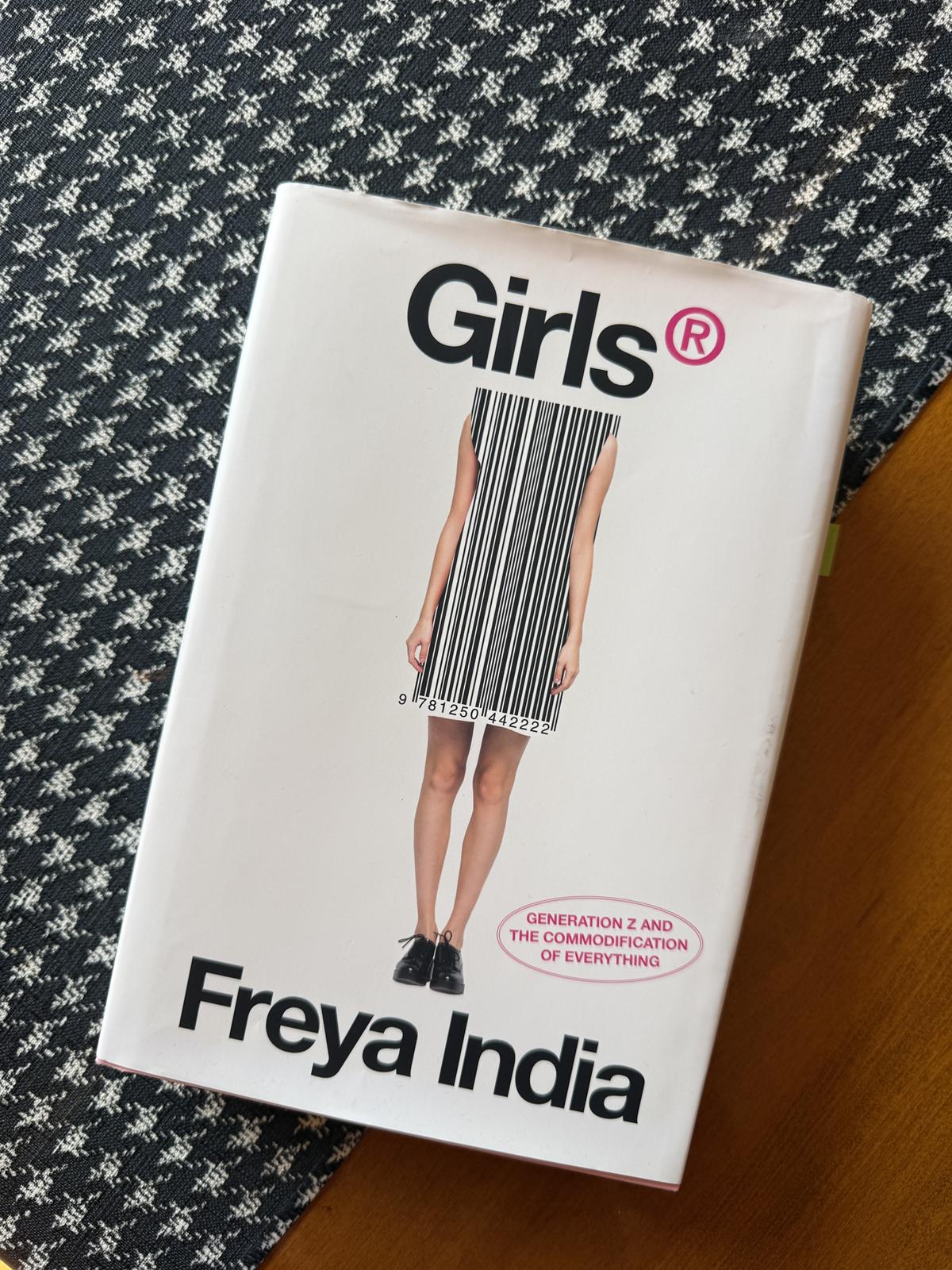
Girls by Freya India explores the commodification of everything, including girls.
I am having a hard time putting my thoughts about this book into words. That isn’t because I did not like it. It is the opposite, actually. I loved this book, but it was also a very tough book to read.
The book Girls gives you a somewhat depressing look at how social media, especially TikTok and Instagram, has changed our culture. Influencers have changed the way girls, especially Gen Z, see the world and themselves.
I have worked in the online world since 2008, when I started food blogging on my site Lynn’s Kitchen Adventures. I then started From Our Bookshelf with my daughter in 2016. I have never considered myself an influencer, but I’ve been on social media since its early days. I was on Instagram for my websites in its early days.
And yet so much of this book was eye-opening.
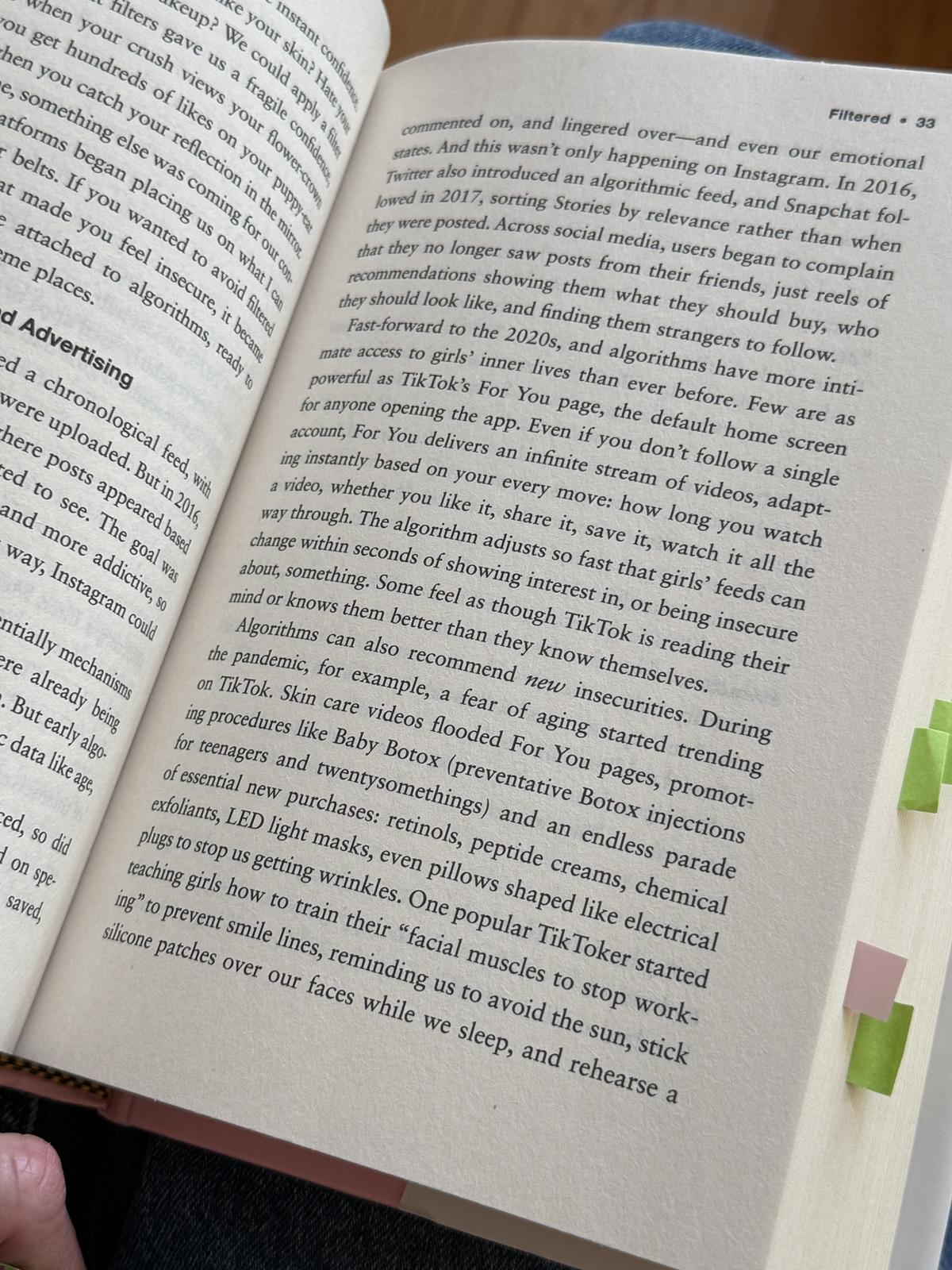
I learned so many statistics I didn’t know.
Like that in 2020, almost half of the girls between 11 and 16 used filters or apps to make themselves look better on social media. I imagine that number is much higher now.
I was also clueless about how much those filters and apps actually changed their appearance.
Young people, especially girls, have been made to feel like they were not enough. They have been told over and over again that they need to look better. They need more makeup and trendier clothes. They are told they must follow the trends. That they can’t get old or gain weight. I could go on and on.
And many of them have filtered themselves or changed themselves so much they don’t even know who they really are.
Friendships have also changed. We live in a world where we live so much of our lives online instead of in person.
Friends are people on your phone or device, not the friends, family, neighbors, etc., you see in real life every day.
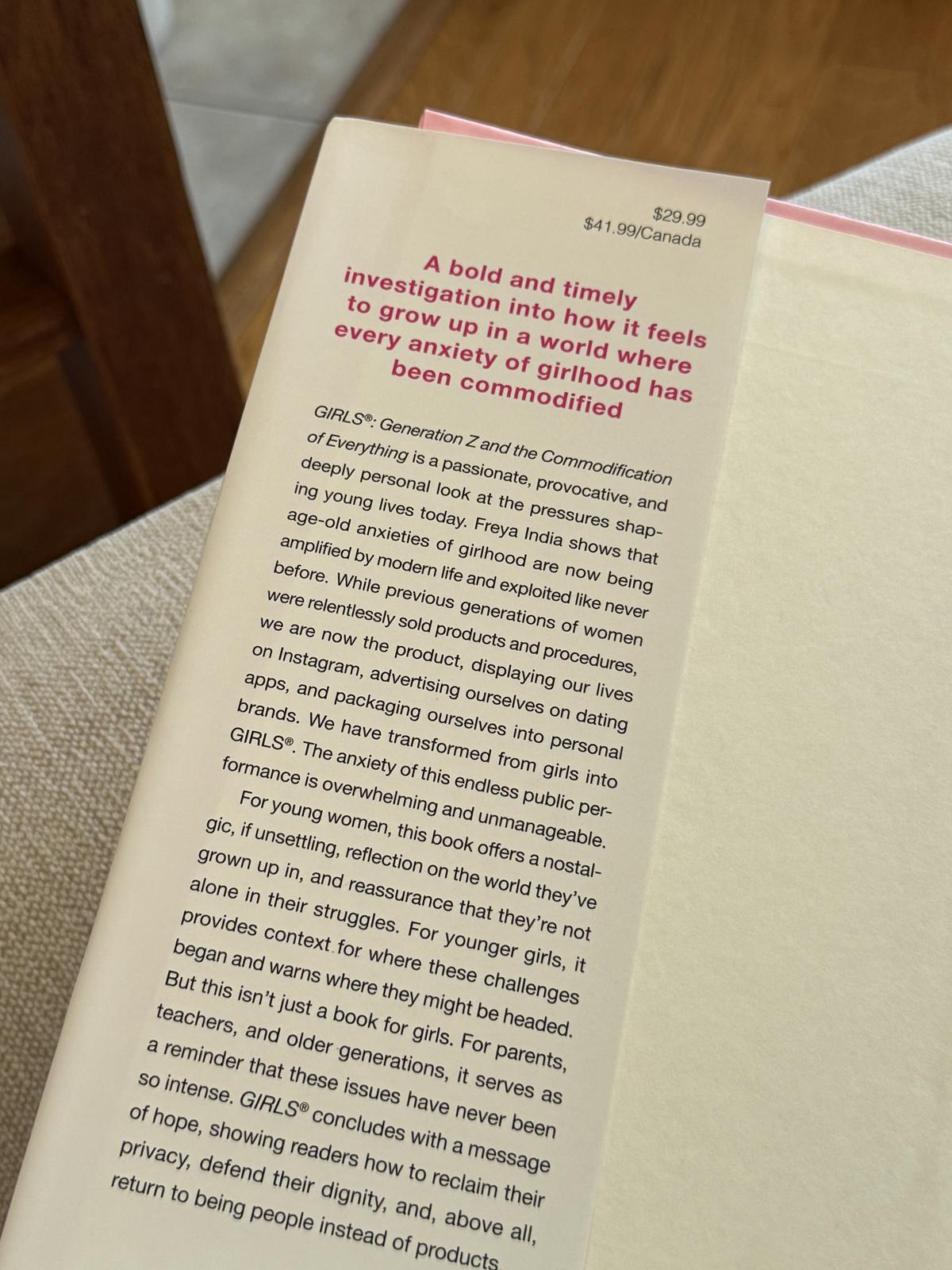
Then there is AI and how it has changed things. Instead of talking to real people and real counselors, people are turning to AI chatbots for advice. They then make real life-changing decisions based on that AI advice.
I knew that these things existed, I just had no idea the extent to which they existed.
According to this book and the research Freya India has done, 70 percent of U.S. teens have tried AI companions. I was astounded by that number.
I could go on and on. This book was so eye-opening. It was also so sad and depressing.
There were almost 100 pages of notes and sources at the end of this book. The author did her research.
The book is very fact-heavy. I didn’t mind that, but I think some people reviewed the book poorly because of it.
If I had one complaint about the book, it is that it left very little hope, and I think there is hope. My generation needs to reach the younger generation more. We need to show them and teach them that real life is so important and so much better than online life.
We can’t escape the online world completely. We live in a world full of technology. It is everywhere, but we can be more balanced in how we use it.
I also think Gen Z, and so many others, are looking for connection and want to know they matter. We need to show them that they do matter and that real-life friends and family are so much better than online friends and AI chatbots.
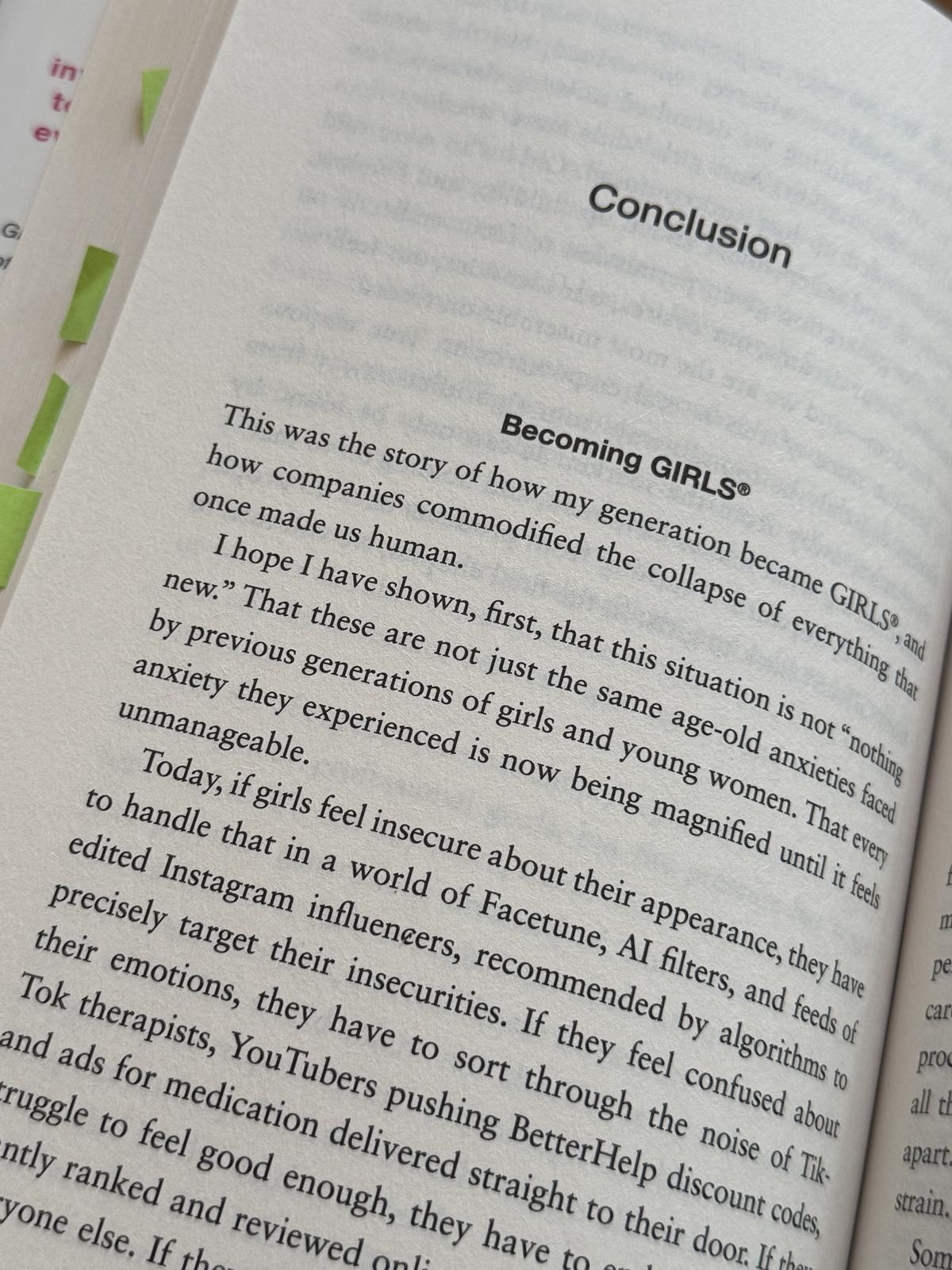
If you are like me and have become interested in how social media and technology have changed us, I highly recommend this book.
Is it the perfect book? No, it is not.
Do I agree with everything in it? No, I don’t.
But it is a book I will be talking and thinking about for a long time. I will also recommend it again and again to friends and family, especially those with Gen Z and younger kids.
If you are looking for more books about the impact of social media, be sure to read Like, Follow, Subscribe by Fortesa Latifi.