
Have you ever thought about the importance of an author’s note in historical fiction?
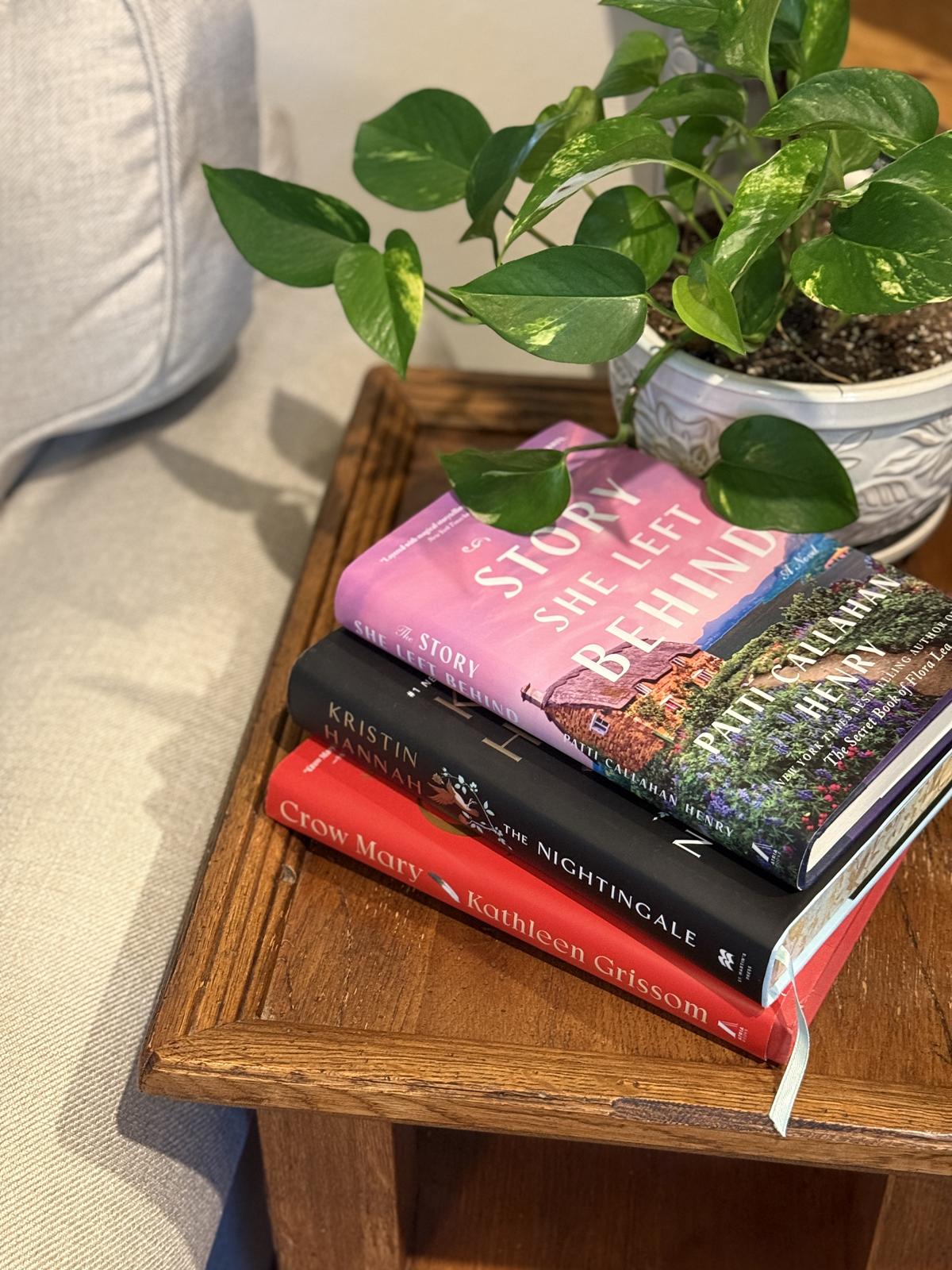
Many genres of books include an author’s notes, but after recently finishing a couple of historical fiction books, I was reminded of the importance of an author’s note in fiction books based on fact.
When a book is based on facts but turned into a fictional story, the author’s notes can be so valuable.
What are the author’s notes?
An author’s note is a note from the author to the reader.
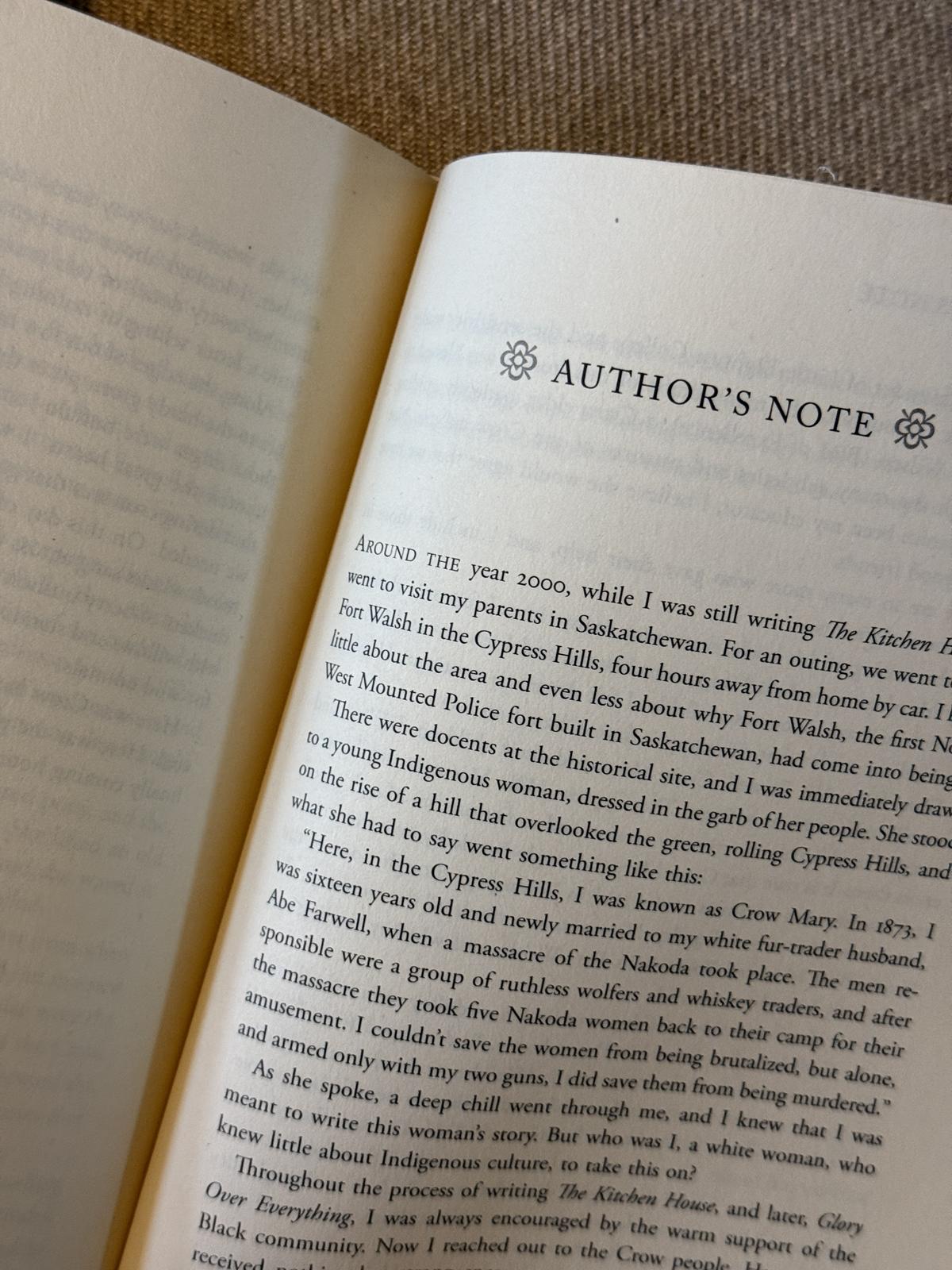
It is as if the author is writing a letter or an essay to the reader, sharing their process or thoughts in writing the book.
The author’s note usually comes at the end of the book, but I have read books with it at the beginning.
I enjoy reading the author’s notes in all kinds of books, but I find them especially useful for historical fiction.
Historical fiction is based on history, so it is based on facts. It is usually based on a real person, an event such as WWII, or a time period like the Great Depression.
Historical fiction takes those facts and turns them into a story that mixes fact with fiction. So, when it comes to historical fiction, the author’s note often tells where the author changed the facts.
I read two books recently that reminded me of the importance of an author’s notes in historical fiction.
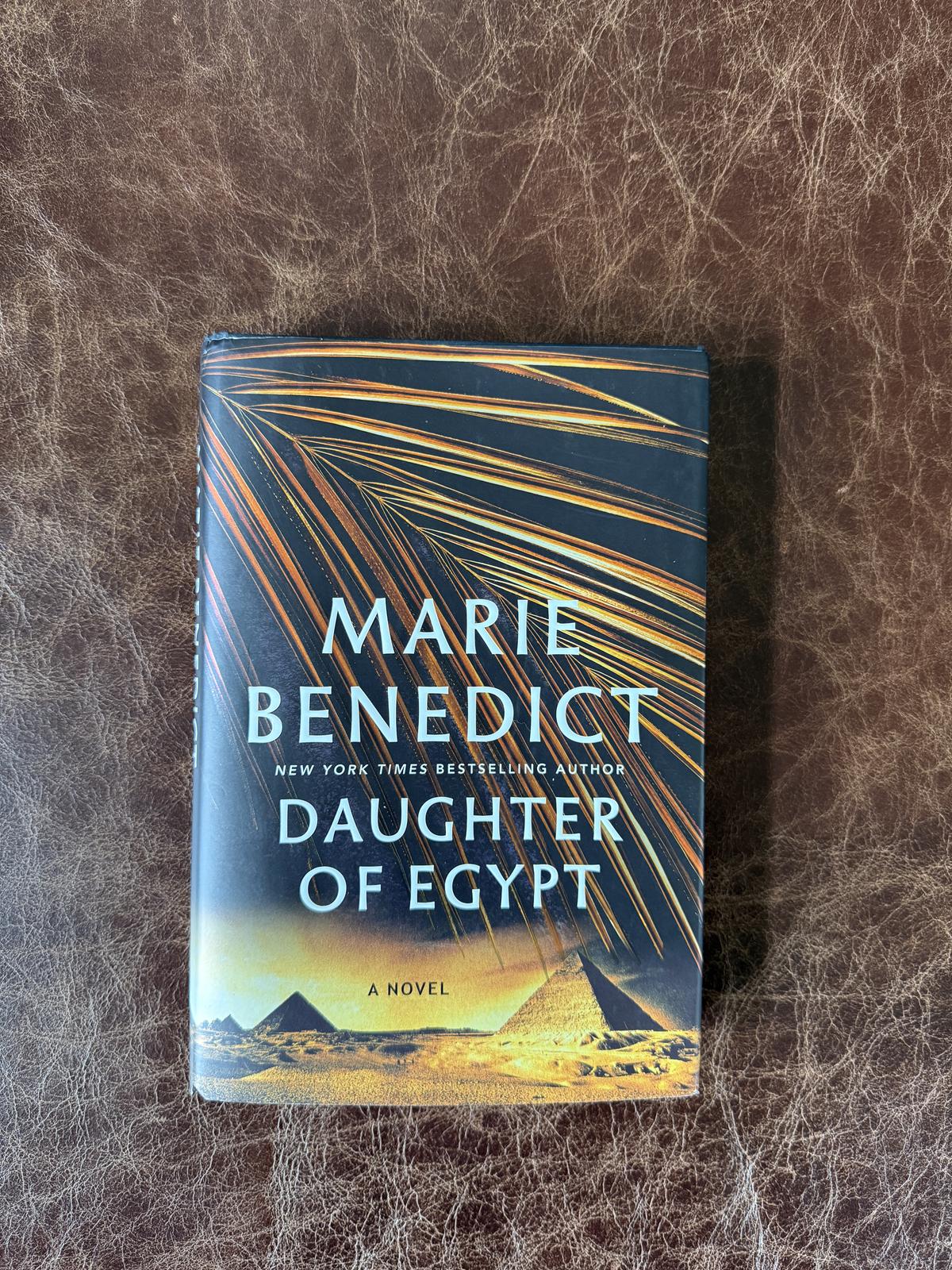
In Daughter of Egypt, Marie Benedict shares four pages of author’s notes at the end of the book. In the author’s note, she shares that she has had a passion for Egyptian history for years. She shares what inspired it and how her knowledge of Egypt has grown over the years.
She also shares how she became especially interested in Hatshepsut and how she decided to intertwine the story of Hatshepsut with that of Lady Evelyn Herbert, whose family is the inspiration for Downton Abbey.
But she also shares where she veered from facts.
For example, the dates of pharaohs in ancient Egypt are debated among scholars, and she did her best to be accurate with the information available.
She also shares how she took liberties with the 1920s storyline in order to fit her story.
These facts helped me so much when it came to knowing what was fact and fiction when I finished the book.
Daughter of Egypt is an example where I actually wish the author’s note were longer and more detailed. They answered some questions, but there were so many things in the book that I could not tell if they were fact or fiction. More information in the author’s note would have helped with that.
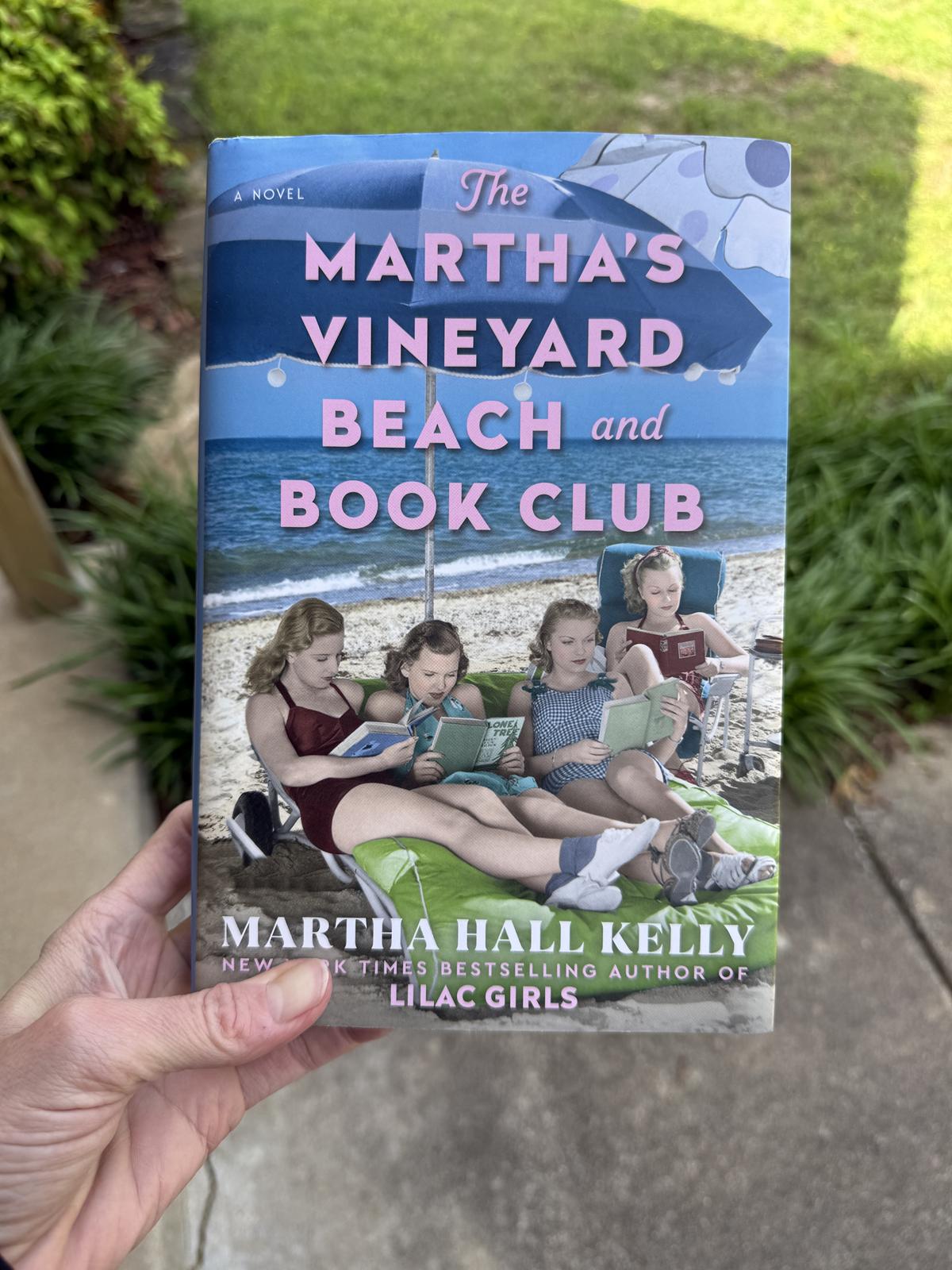
Martha’s Vineyard Beach and Book Club by Martha Hall Kelly is another book I read recently, and it reminded me why I love reading the author’s notes in historical fiction.
Martha Hall Kelly included eight and a half pages of author’s notes in Martha’s Vineyard Beach and Book Club. Those pages gave me a greater appreciation of the book.
The Matha’s Vineyard Beach and Book Club is a WWII historical fiction book set in Martha’s Vineyard. I liked this book, but I thought she packed a lot into it. Almost too much. Once I read the author’s note, though, I totally understood why she wrote so many things into the book.
The Martha’s Vineyard Beach and Book Club is based on Martha Hall Kelly’s family. I had no idea that she did that until I read the author’s note at the end of the book.
Her family is from Martha’s Vineyard. The characters in the book are based on her family, their friends, and stories she heard from those who were on Martha’s Vineyard during the war.
Martha Hall Kelly’s notes made me appreciate the book so much more.

Some of my favorite historical fiction authors have the best author’s notes.
Patti Callahan Henry had great notes for her book The Story She Left Behind.
Crow Mary by Kathleen Grissom and Across the Crying Sands by Jane Kirkpatrick are two more examples in which the authors’ notes helped me appreciate the books even more.
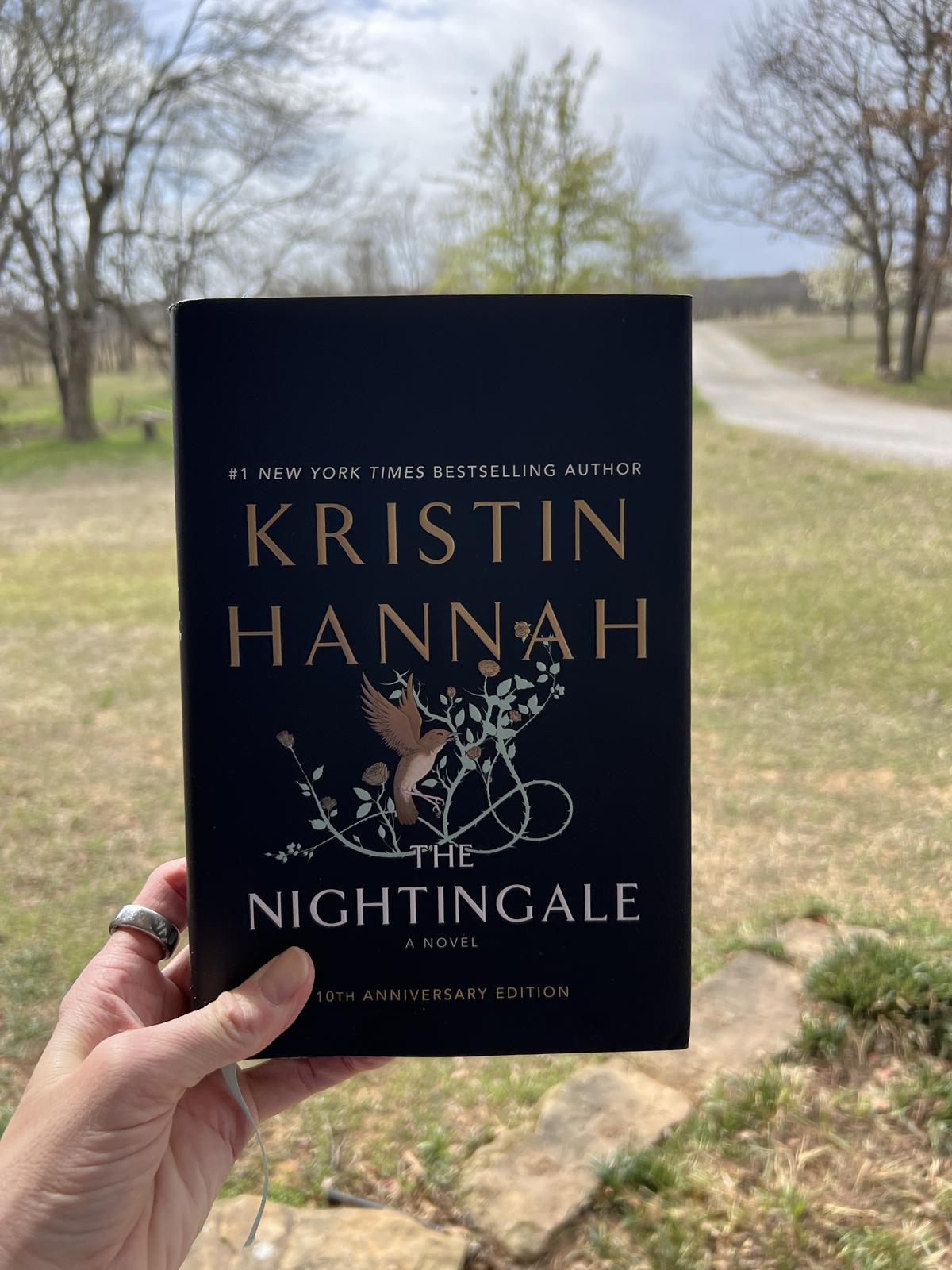
I reread The Nightingale by Kristin Hannah last year, and I loved the book even more the second time. However, the author’s notes were disappointing.
Kristian Hannah explained why she wrote the story, but I thought they could have been more detailed. I think I would have appreciated the book even more with more detailed author’s notes.
I could share so many more books where the author’s note helped me better understand the book, or where the lack of one left me disappointed.
When it comes to historical fiction, the detailed author’s notes are so important in helping us understand the book and what is fact vs fiction.
I would love to hear your thoughts. How important do you think authors’ notes are? Do you read them?
Always! In fact I always say I’m a snob when it comes to that. I won’t even read HF that doesn’t include author notes. I always check first!
I need to start checking first because I am always disappointed when a HF book doesn’t have notes.
Yes, I love reading the authors note especially in historic fiction books. I agree, the more fact vs fiction explanations, the better!
Yes, I love reading the authors notes. However, sometimes when I’ve read them at the end of a book, I so wished I had known all that before I even read the book.
Since I’ve been to Martha’s Vineyard and I especially loved the Martha’s Vineyard Beach and book club.
I really like to read books about that time period.
Martha’s Vineyard Beach and Book Club is one of the books that I wish I had read the author’s note first. I have never been to Martha’s Vineyard, but I can see why that would make the book even more enjoyable!
Love your commentary and book list – as always! I actually just read A Story She Left Behind a few months ago and agree that the author’s notes were wonderful. I truly love author’s notes. In fact, sometimes, they are my favorite part of the book. I just finished a book called The Christie Affair and it had wonderful author’s notes and recommendations for future reading. I added one of her research books to my TBR list, which is filled my titles I’ve received from you. Thank you!!
I have heard that The Christie Affair is a great book. I also often find great nonfiction books in the author’s note. I love it when a historical fiction book makes me want to know more about the real life story. And I am so glad that you enjoy my book list. You are very welcome! I so appreciate followers like you.
I loved this post. I do like the authors notes. When I read/listened to The Boxcar Librarian I loved hearing the authors notes at the end. Historical fiction is my favorite to listen to and hear their notes.